Skin Boosters & Hyaluronic Acid Treatments in Amman
Injectable Skin Rejuvenation for Hydration, Texture & Radiance
At Helalat Clinic in Amman, Skin boosters are used as part of personalized skin-rejuvenation treatments designed to improve the hydration, texture, elasticity and overall appearance of the skin.
Unlike traditional dermal fillers, which are primarily used to add volume and enhance facial contours, these micro injections focus on improving skin quality while maintaining your natural facial features.
Depending on your skin concerns and treatment goals, skin booster treatments may use hyaluronic acid, polynucleotides, PDRN or other skin-rejuvenating formulations.
Dr. Mohammad Helalat will assess your skin and recommend the most appropriate treatment for your individual needs.
What Are these Injectables?
Skin boosters are micro-injections that deliver hydrating and regenerative ingredients directly into the dermis — the deeper layer of skin responsible for elasticity and structural support. Unlike dermal fillers, which sit in specific pockets to add volume, skin boosters are distributed evenly across the treatment area in a series of fine injections, working to improve the skin from within rather than reshape it.
Depending on your individual assessment, the formulation may include:
Hyaluronic Acid — a naturally occurring molecule that binds water within the skin. As we age, natural hyaluronic acid levels decline, contributing to dryness and loss of elasticity. Reintroducing it through micro-injections restores hydration at a cellular level.
Polynucleotides (PN) — derived from purified DNA fragments, polynucleotides support tissue repair and regeneration, helping to improve skin quality and resilience over time.
PDRN (Polydeoxyribonucleotide) — a regenerative compound known to support wound healing and cellular renewal, often used to improve skin tone, firmness, and overall vitality.
What Can Skin Boosters Treat?
Skin boosters are commonly used to address:
Dehydrated or dull-looking skin
Fine lines and early signs of aging
Uneven skin texture
Loss of skin elasticity
Areas such as the face, neck, décolletage, and hands
What to Expect During Treatment
A typical skin booster session involves a series of fine micro-injections placed evenly across the treatment area. The procedure is minimally invasive, and a topical numbing cream can be used to improve comfort. Most sessions take approximately 30–45 minutes, depending on the treatment area.
Mild redness, swelling, or small bruising at injection sites is common and typically resolves within a few days.
How Many Sessions Are Needed?
Results build progressively, and most patients benefit from a short series of sessions spaced several weeks apart, followed by periodic maintenance treatments to sustain results. The exact treatment plan depends on your skin condition, goals, and the specific formulation used.
Skin Boosters vs. Dermal Fillers
While both are injectable treatments, they serve different purposes:
Dermal fillers add volume and reshape facial contours (cheeks, lips, jawline)
Skin boosters improve the underlying quality, hydration, and texture of the skin itself, without changing facial shape
Many patients combine both treatments — fillers for structure, skin boosters for overall skin health — as part of a broader personalized treatment plan.
Why Choose Helalat Clinic for Skin Boosters in Amman?
At Helalat Clinic, Dr. Mohammad Helalat assesses your skin type, hydration levels, and aesthetic goals before recommending a treatment plan — selecting the most appropriate formulation (hyaluronic acid, polynucleotides, or PDRN) for your individual needs rather than a standardized approach.
The clinic is located in Dabouq, Amman, making it accessible for patients seeking skin rejuvenation and injectable skin quality treatments in Amman.
Frequently Asked Questions
Are skin boosters the same as dermal fillers?
No. Fillers add volume and shape; skin boosters improve hydration, texture, and overall skin quality without changing facial contours.
How long do results last?
Results vary by individual and formulation, but generally last several months. A maintenance schedule helps sustain results over time.
Is there downtime after treatment?
Most patients resume normal activities immediately. Mild redness, swelling, or bruising at injection sites is common and usually resolves within a few days.
Can skin boosters be combined with other treatments?
Yes. Skin boosters are often combined with treatments such as dermal fillers, Botox, or laser therapy as part of a comprehensive treatment plan.
Benefits of these microinjections?
Improved skin hydration
Smoother skin texture
Improved radiance
Fine lines
Skin elasticity
Overall skin quality
Treatments Available at Helalat Clinic
Restylane Skinboosters
Juvederm
Teosyal
Profhilo
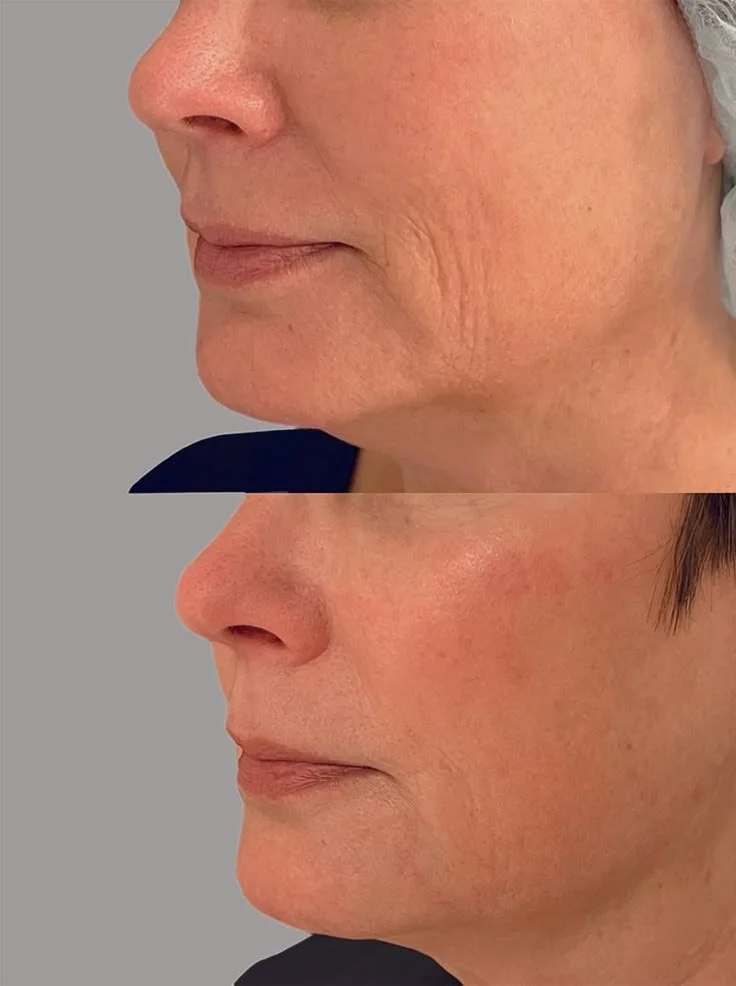
Hyaluronic Acid Skin Treatments at Amman
Hydration, Skin Quality & Natural-Looking Rejuvenation at Helalat Clinic
Hyaluronic acid treatments at Helalat Clinic use one of the most trusted, naturally-occurring substances in skincare to restore hydration, volume, and a smooth, youthful appearance to the skin.
What Is Hyaluronic Acid?
Hyaluronic acid (HA) is a substance naturally found in the skin that holds up to 1,000 times its weight in water, making it one of the most powerful hydrating agents used in modern dermatology and aesthetic medicine. As we age, natural HA levels decline, contributing to dryness, fine lines, and loss of volume.
How It's Used at Helalat Clinic
At Helalat Clinic in Amman, hyaluronic acid is used in a range of treatments tailored to your skin's needs, including:
Dermal fillers — restoring volume to cheeks, lips, and other areas of the face
Skin boosters — injectable HA treatments that deeply hydrate and improve skin texture and elasticity
Mesotherapy — micro-injections combining HA with vitamins and nutrients for overall skin revitalization
Benefits of Hyaluronic Acid Treatments
Deep, long-lasting hydration from within the skin
Improved skin elasticity and firmness
Reduced appearance of fine lines and dehydration lines
Natural-looking results, since HA is biocompatible with the body
Minimal downtime, with most patients resuming normal activities immediately
Backed by Clinical Evidence
Hyaluronic acid isn't just a buzzword . it's one of the most researched ingredients in modern skincare. Clinical studies have shown that hyaluronic acid injections can noticeably boost skin hydration, with visible improvements building over just a few sessions. Even more impressive: research shows it can actually help your skin produce more of its own collagen, with benefits still visible months later. One clinical review even found that HA treatments significantly improve skin's natural glow and moisture
Who Is It For?
Hyaluronic acid treatments are suitable for patients experiencing dryness, early signs of aging, volume loss, or dull, tired-looking skin. Dr. Mohammad Helalat customizes each treatment based on your skin's specific needs and desired outcome, ensuring safe, natural, and balanced results.
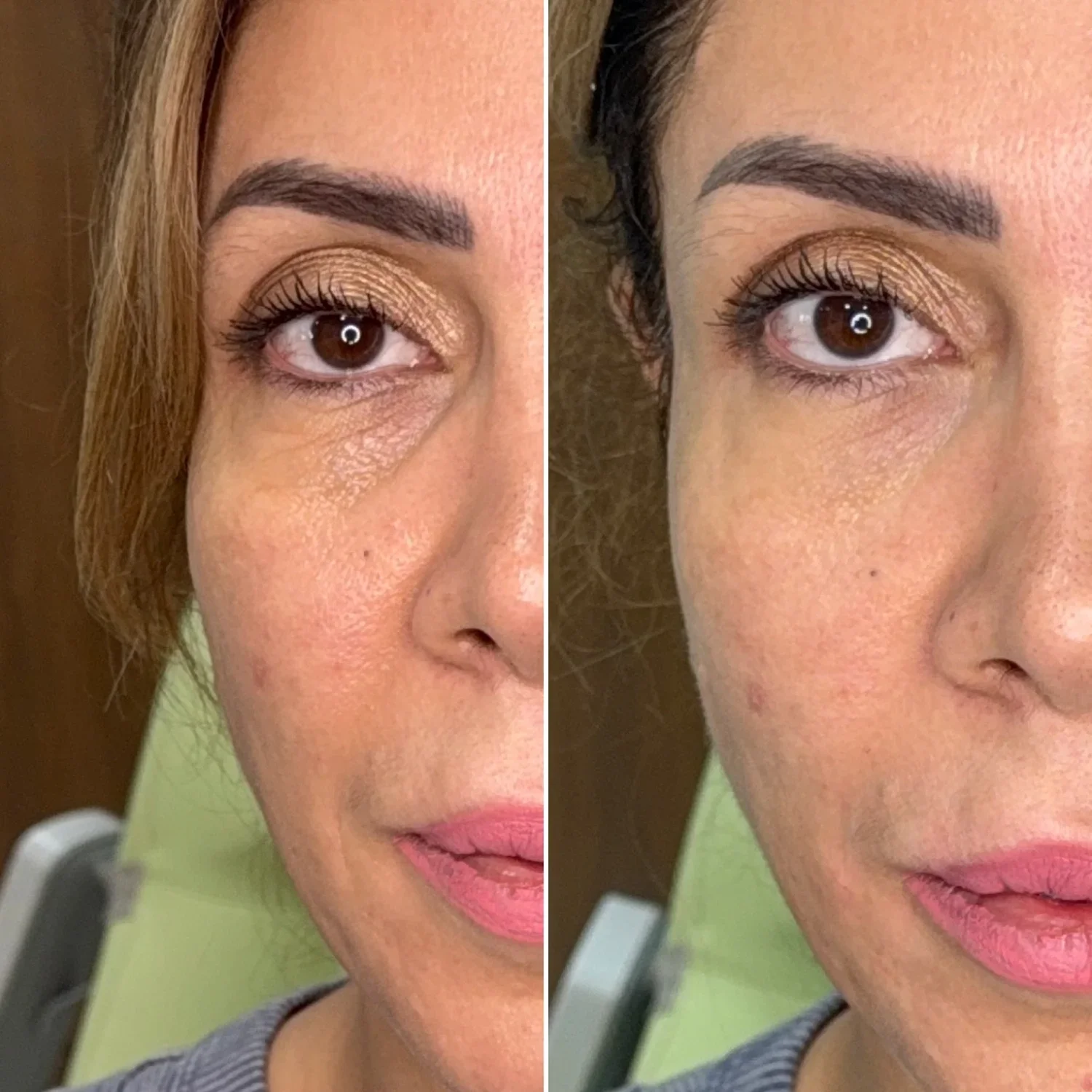
BEFORE AFTER
Difference between Skin Boosters and Hyaluronic Acid
In practical terms, they overlap a lot. Both are commonly used to deliver hyaluronic acid into the skin to improve hydration and skin quality. The main difference is usually the specific formulation, concentration, and injection technique, rather than completely different purposes.
Who benefits from them?
Hyaluronic acid / skin booster treatments are particularly suitable for people who have:
Dehydrated or dull-looking skin — skin looks tired, dry or lacks radiance.
Fine lines — especially superficial lines caused by dehydration and reduced skin elasticity.
Loss of skin elasticity — skin feels less firm or resilient.
Rough or uneven texture — when skincare alone isn't giving enough improvement.
Early signs of aging — particularly when someone wants subtle rejuvenation without changing facial shape.
Skin that looks thin or crepey — especially around areas such as the cheeks, neck or hands, depending on the product.
A desire for a natural “glow” — without the more obvious volumizing effect of traditional dermal fillers.
Conclusively Dr. Mohammad Helalat can choose the correct option for selected patients